Art Direction, Web Design & Build
Homer's Ithaca
A years-long argument that Homer's Ithaca was Kefalonia, given a single, credible home for a non-Greek audience.
Project
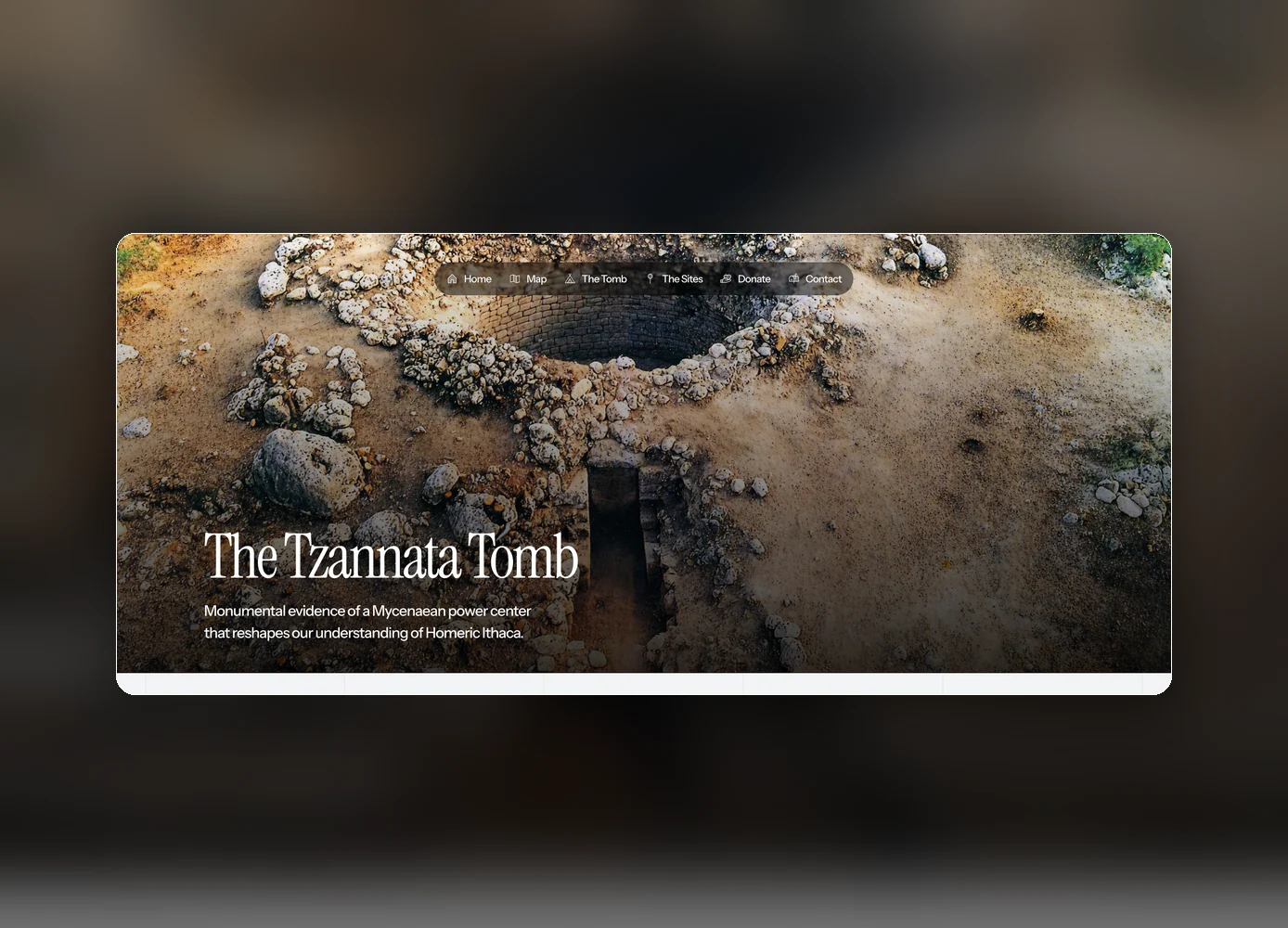
Homer's Ithaca is a self-initiated project. For decades, researchers Makis Metaxas and Henriette Putman Cramer have argued that the Ithaca of the Odyssey is not modern Ithaki but ancient Kefalonia, a case anchored by the 1991 discovery of a royal tholos tomb at Tzannata.
The connection is personal: my grandfather came from Pastra, a village in Kefalonia. After returning to the island again and again, I offered to bring the research to people who do not read Greek, in a clear, credible, and beautiful form. No one commissioned the work; the brief was my own.
Our Work
A Single, Credible Home for the Research
The evidence was scattered across Greek-language blogs and academic fragments. The goal was to consolidate it into one place a non-Greek audience could actually follow, without overselling a thesis that remains early in academic consideration.
Tone was the hardest problem: confident enough to be taken seriously, restrained enough to keep general readers and stay honest about where the scholarship stands.
- Consolidated decades of dispersed research into one navigable narrative.
- Held a careful register: neither academic to the point of exclusion nor romantic to the point of losing credibility.
- Reflected the researchers' own positioning that the theory is still under consideration.
Art Direction — the Odyssey as a Landscape Poem
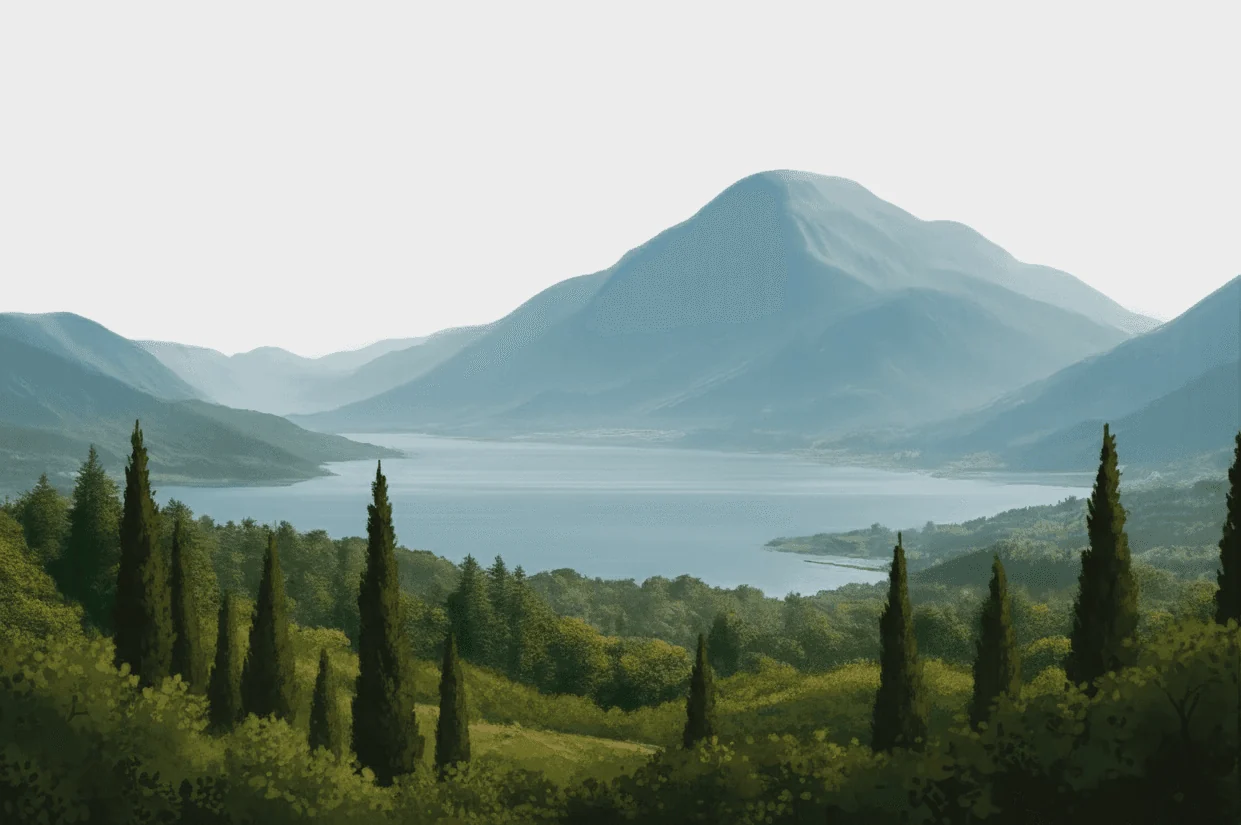
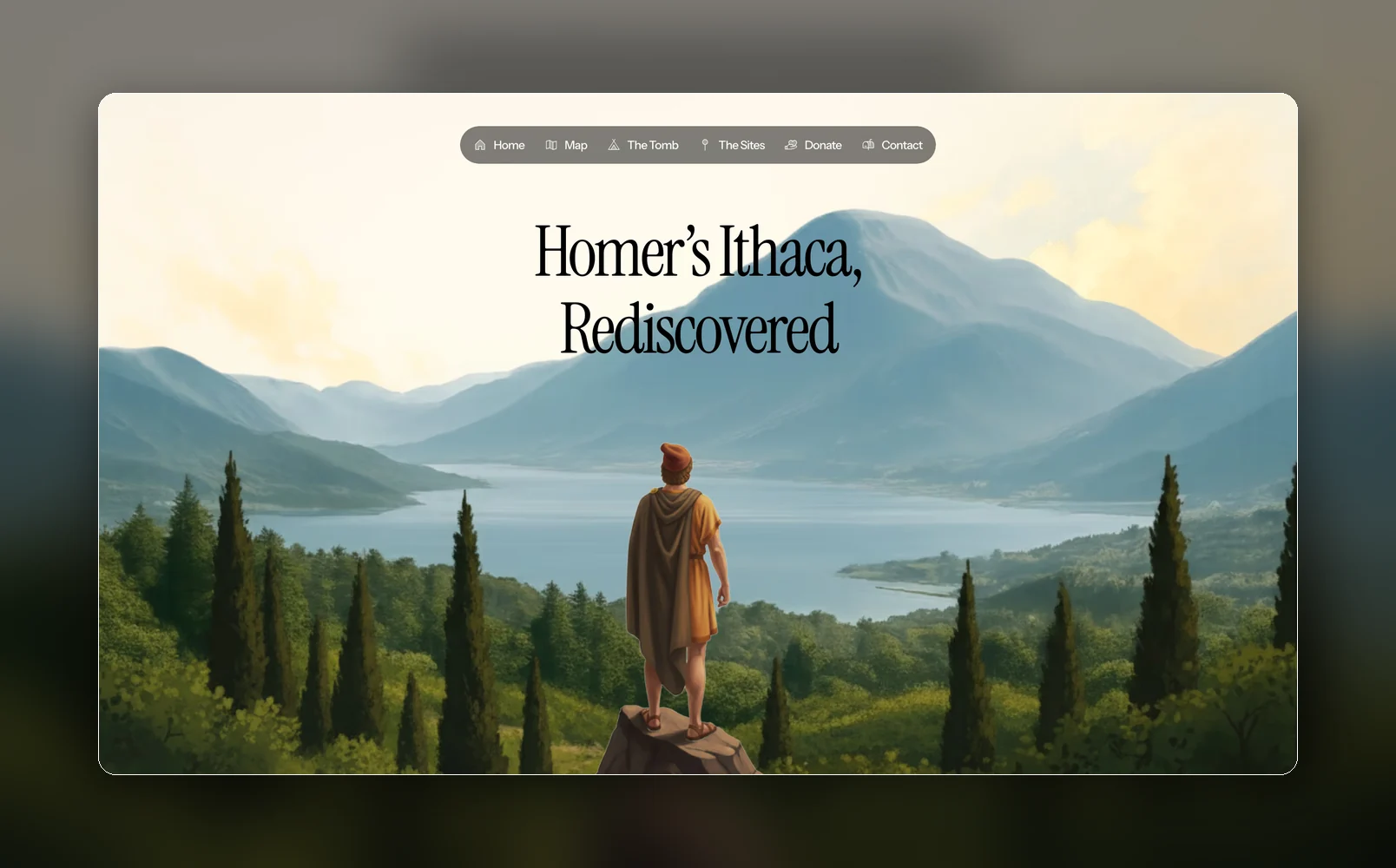
The direction treats the Odyssey as a landscape poem. A hand-painted Kefalonian valley opens the homepage, and Odysseus rises on a rock as you scroll, grounding the story in real geography from the first moment.
The system stays editorial and restrained: a single serif for titles over full-bleed imagery, a floating pill navigation with line icons, and a palette of warm cream, sage mountains, and terracotta. The reference point is a National Geographic feature rather than a conventional academic site.
Structuring the Argument
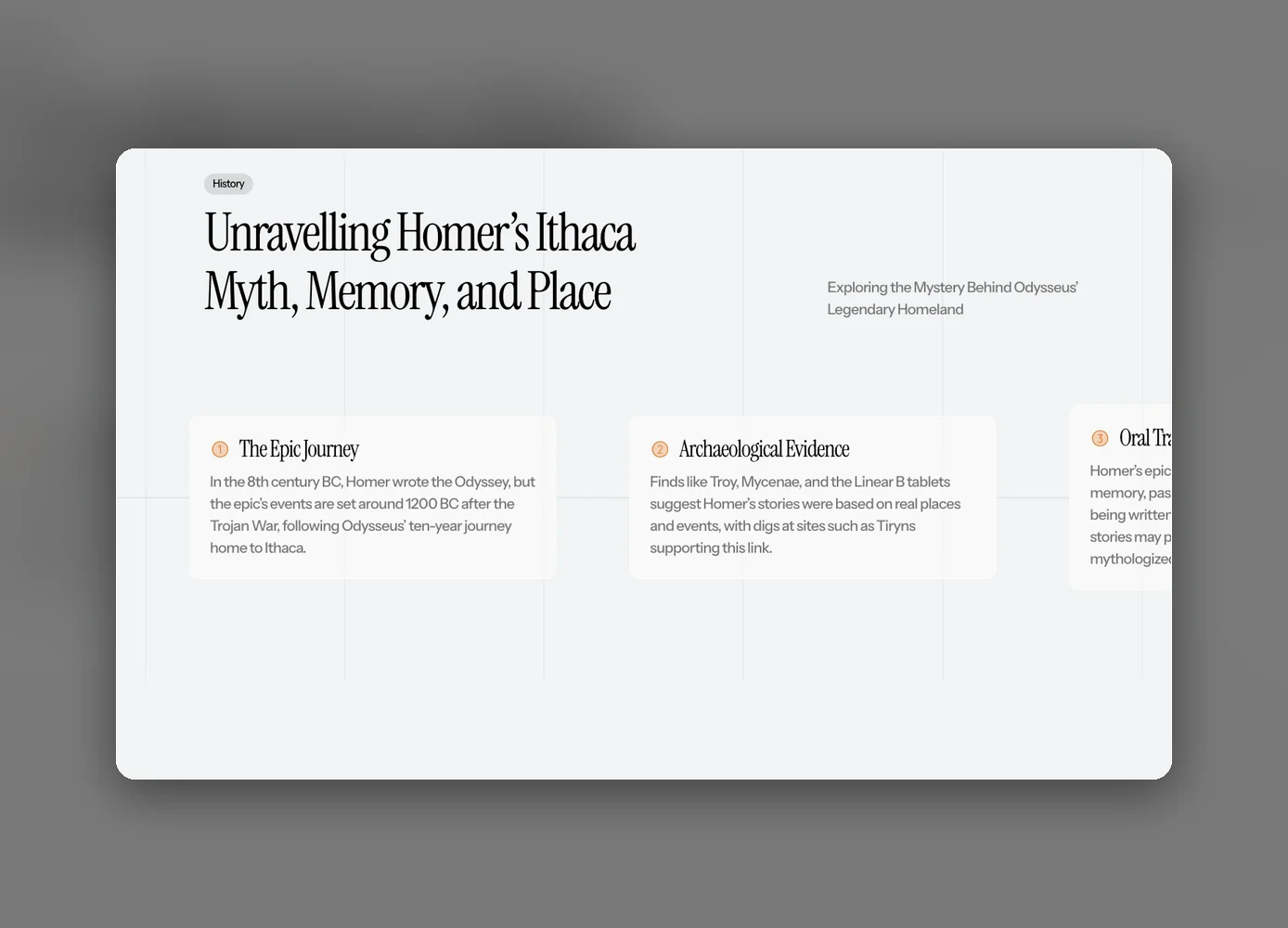
Content is chaptered for newcomers. The homepage moves through the epic's composition, the real places Homer names, the oral tradition that carried the poem, and the live debate over Ithaca's identity, before it arrives at the Kefalonia case and the Tzannata tomb.
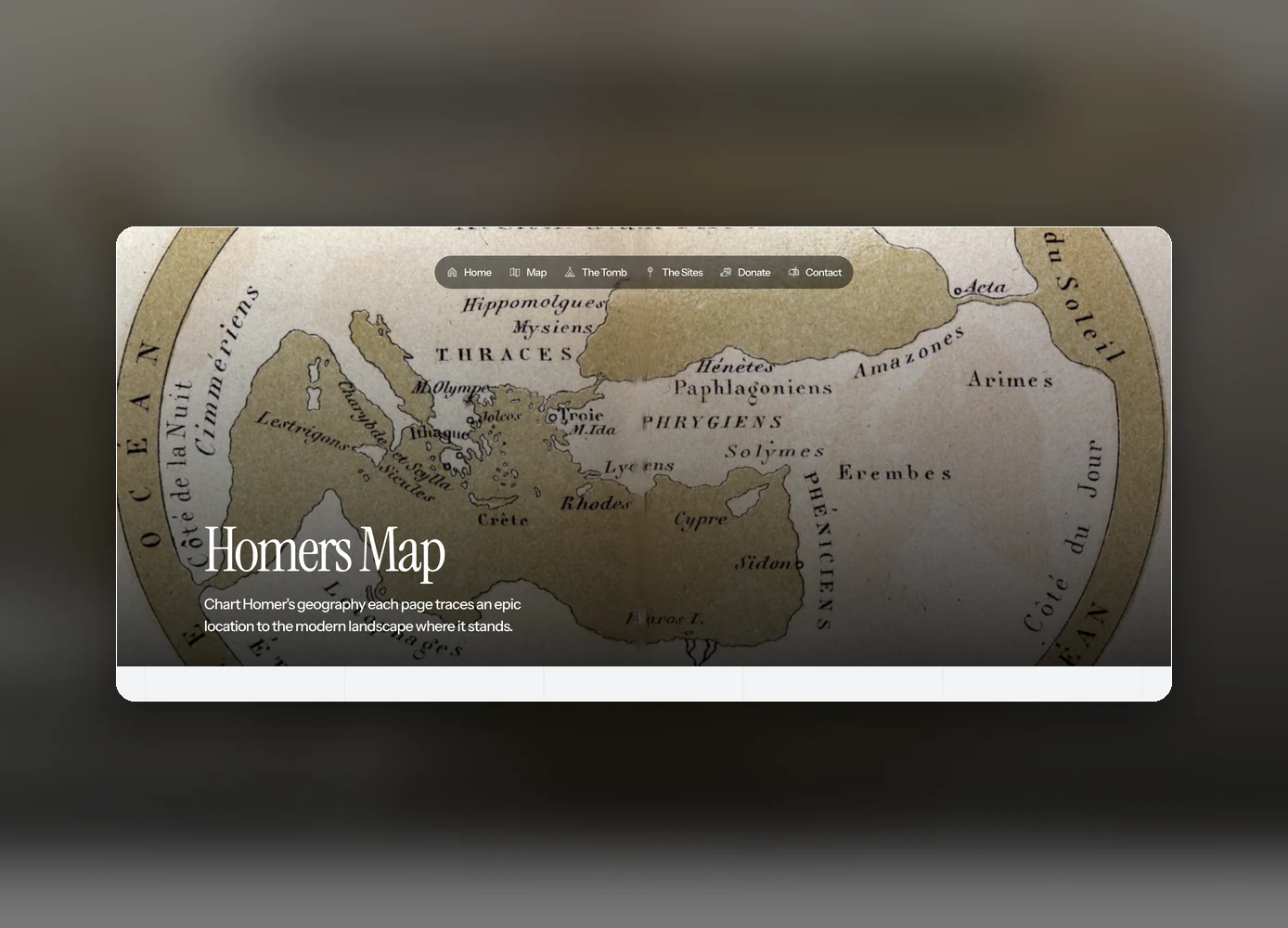
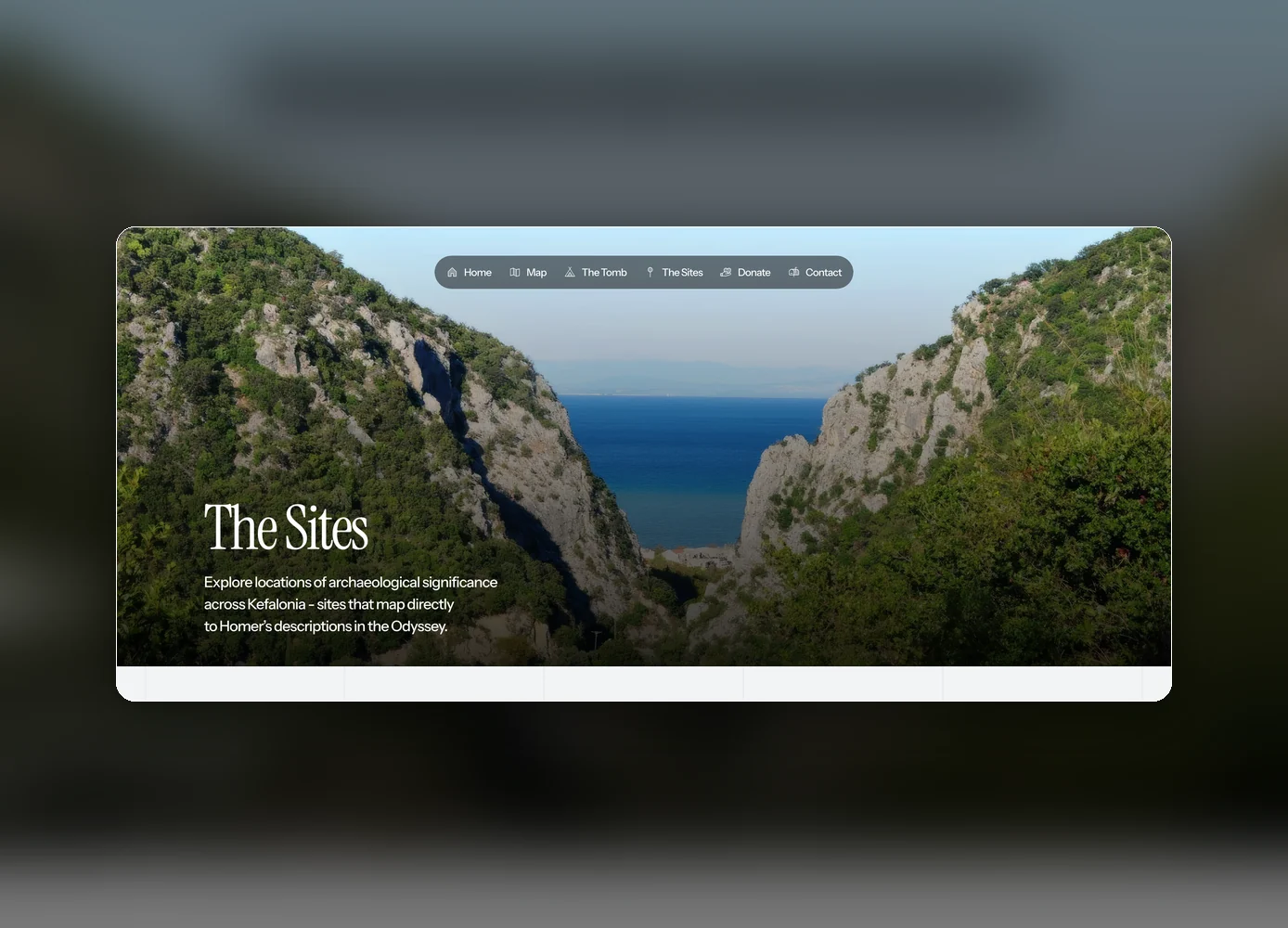
Deeper material lives on dedicated pages. The Map pairs antique charts with contemporary Ionian photography; The Tomb gives the Tzannata excavation full-bleed treatment; a blog feed keeps the project living through ongoing field notes.
- Homepage sequences the story so a first-time reader can follow the whole argument.
- Each deeper page serves a single purpose readers reach by interest, not obligation.
- The Tzannata tholos tomb anchors the physical, on-the-ground evidence.
Designing and Building It
The site was designed and built end to end in Framer, so nothing was lost in handoff between the design and the shipped product. Built-in translation serves Kefalonians, the Greek diaspora, and international readers; a quiet donation flow supports the self-funded work; imagery is compressed to hold the painterly look without slowing the page.
Outcome
The research already had traction through outlets like The Greek Herald and ProtoThema, and the Morgan Freeman documentary Odysseus Returns. The site gives all of it a permanent anchor: a single URL a journalist can cite and a reader can explore.
The lesson was restraint. Designing for an unprovable thesis means prioritising trust, presenting the evidence honestly, keeping it beautiful, and leaving readers to reach their own conclusions.
Gallery
From the original case study
Selected Work